How to Rediscover Comfortable Contact Lens Wear as Your Eyes Change
Why do contact lenses often become uncomfortable in middle age?
Many people wear contact lenses comfortably when they are young, but start to struggle with them in their 40s or 50s. This is very common and does not mean contact lenses are no longer an option.
Typical reasons include:
-
dry eyes
-
presbyopia, also known as age-related near vision changes
-
astigmatism or irregular corneal shape
-
increased sensitivity of the eyes
-
the feeling that lenses are harder to manage than glasses
As a result, many former contact lens wearers gradually stop using them. Glasses feel easier, require less daily care, and may even be seen as more practical or stylish. However, modern contact lens technology has evolved significantly, and many of these problems can now be addressed successfully.
Is it normal for eyes to change with age?
Yes. Eye changes are a natural part of ageing.
From around the age of 40, most people notice:
-
difficulty reading small print
-
the need to hold text farther away
-
eyes tiring more quickly
-
increased dryness or irritation
These changes are normal and do not automatically rule out contact lens wear. The key is choosing the right type of lens and the right fitting strategy.
Can presbyopia be corrected with contact lenses?
Yes. Presbyopia, often called “age-related long-sightedness,” can be corrected with contact lenses in several ways.
What are multifocal contact lenses?
Multifocal contact lenses provide simultaneous vision at different distances. This means:
-
distance and near vision are both corrected at the same time
-
the brain automatically selects the sharpest image depending on the task
Modern multifocal lenses are far more advanced than earlier designs and work well for many people in everyday situations such as reading, computer work, and driving.
What is monovision?
Monovision is an alternative approach:
-
the dominant eye is corrected for distance
-
the other eye is corrected for near vision
This solution works well for some people, but it does not fully replace near vision correction in all situations. Many monovision wearers still need reading glasses for small print.
Each option has advantages and disadvantages, which is why professional advice and a trial period are essential.

Are contact lenses suitable for sports in middle age?
Yes, but with specific considerations.
For sports and physically demanding activities, it is often recommended to:
-
correct both eyes primarily for distance
-
avoid strong near corrections in contact lenses
This helps preserve:
-
depth perception
-
contrast sensitivity
-
reaction time
Reading glasses can still be used off the field if needed. Many active people in middle age find this approach provides the best balance between performance and comfort.
Can astigmatism be corrected with contact lenses?
Yes. Astigmatism is very common and does not prevent contact lens wear.
When is astigmatism corrected with contact lenses?
-
Small amounts of astigmatism, typically up to 0.75 dioptres, are often not corrected with contact lenses because the visual benefit is minimal
-
Higher levels of astigmatism usually require toric contact lenses
What makes toric lenses different?
Toric lenses:
-
are designed to correct astigmatism
-
must remain in a specific orientation on the eye
-
are stabilised so they do not rotate freely
Because of this, toric lenses require precise professional fitting. Factors that must be considered include:
-
lens power
-
lens material
-
cylinder strength and axis
-
eyelid pressure
-
eyelid position
-
lens diameter
-
eye dominance
Certified optometrists and eye specialists are trained to handle these complex fittings and can find solutions for even challenging cases.
Why do dry eyes become more common with age?
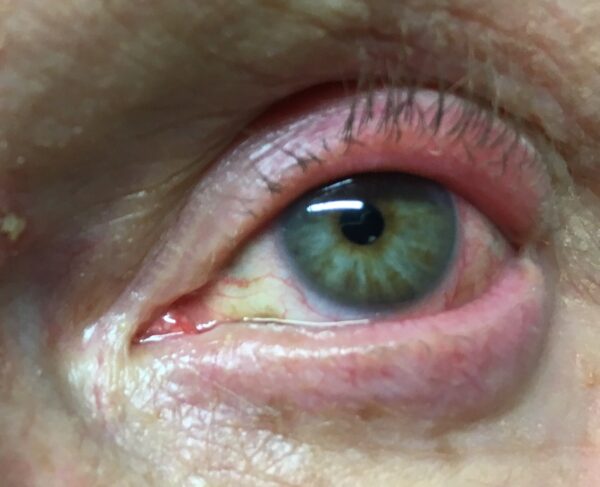
Dry eye symptoms increase significantly in middle age. Contrary to popular belief, the problem is usually not a lack of tear fluid, but rather excessive evaporation of tears, which accounts for around 78 percent of dry eye cases.
The main causes are:
-
hormonal changes
-
blockage of the Meibomian glands along the eyelid margins
These glands produce oils that prevent tears from evaporating too quickly. When they become blocked, tears evaporate faster, leading to dryness, burning, and discomfort.
Can dry eyes be treated without medication?
In many cases, yes.
Modern dry eye management focuses on:
-
reopening blocked eyelid glands
-
improving tear film stability
-
reducing evaporation
Sustainable treatment concepts now exist that:
-
do not rely on medication
-
address the root cause of evaporative dry eye
-
can significantly improve comfort
When dry eye symptoms are treated properly, contact lens tolerance often improves dramatically.
Are modern contact lenses more comfortable than older ones?
Absolutely.
Compared to lenses from 10–15 years ago, modern contact lenses:
-
allow significantly more oxygen to reach the eye
-
retain moisture better
-
are designed to work with the natural tear film
-
feel more comfortable over longer wearing times
Many people who previously gave up contact lenses are surprised by how comfortable today’s lenses feel after a proper refitting.

Is contact lens care more complicated in middle age?
Not necessarily. In fact, it can be simpler.
Options today include:
-
daily disposable lenses with no cleaning required
-
extended-wear lenses with simplified routines
-
tailored care systems matched to the individual eye
For many people, switching to daily disposable lenses eliminates the burden of cleaning and storage altogether.
Who should consider trying contact lenses again?
You may be a good candidate if:
-
you wore contact lenses comfortably in the past
-
you now struggle with glasses during sports or social activities
-
you experience mild to moderate dry eye symptoms
-
you want visual freedom without constant glasses use
Age alone is not a limiting factor.
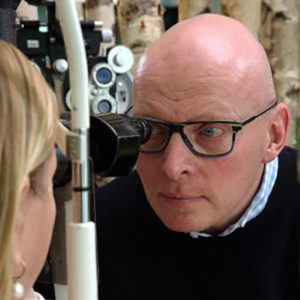
Why is professional fitting especially important in middle age?
As eyes become more complex with age, individualised fitting becomes critical.
A professional contact lens assessment includes:
-
detailed eye health evaluation
-
tear film and dry eye analysis
-
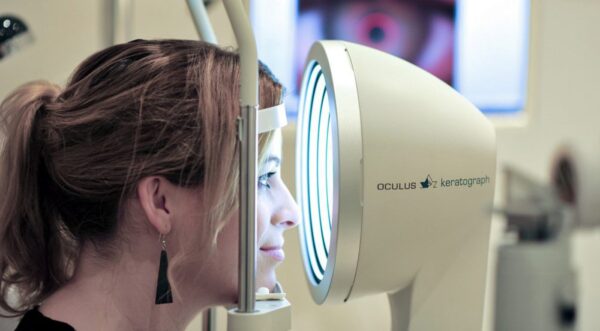
corneal shape measurement
-
dominance testing
-
trial lenses and adaptation monitoring
This level of care ensures safety, comfort, and optimal vision.
Final thoughts, contact lenses are still an option
Middle age does not mean the end of contact lens wear. With modern lens technology, improved dry eye treatments, and professional fitting, many people can rediscover the comfort and freedom of contact lenses.
If you previously gave up contact lenses due to discomfort or inconvenience, it may be worth revisiting the option. A personalised assessment can reveal solutions that were not available just a few years ago.
The right lenses, combined with expert guidance, can help you enjoy clear, comfortable vision at every stage of life.
Book an appointment to find the right contact lenses for you